Thursday, June 26, 2014

Athletes and Eating Disorders

Eating Disorders don't get talked about much. If they do, it's usually not talked about in conjunction with sports. If it is, then it's usually a really over the top dramatic Lifetime movie. But EDs are prevalent in sports; especially the ones with weight classes, weight requirements or endurance.

Prevention & Intervention

Not all EDs happen on a TV screen, to the girl your cousin's fourth grade childhood babysitter's dad knew, or to professional athletes in places far away. They can happen to anyone and you probably know someone suffering from it.

Last week I had a peer approach me who had concerns their athlete was suffering from an eating disorder. This coach wasn't sure if they should address the issue and if they did, they weren't sure how to handle it. I asked a few questions, gave my opinion and directed them to the National Eating Disorders Association coach's handbook which can be found here.  


Luckily, early interventions like this can stop an eating disorder from progressing and help save an athlete's life.  I saw a quote while researching for this blog post that said "This is labeled a rich girl's disease. All young women are susceptible, but only a few people can afford the treatment that is needed." While insurance companies can make seeking treatment seem difficult, that doesn't mean all avenues are completely closed for treatment. That is why education is absolutely critical. If we can educate coaches and parents about these disorders and catch the symptoms early on and take them seriously, then men and women can have an opportunity to live full and happy lives.


Misconceptions


Aside from thinking eating disorders can't happen close to home, there are many misconceptions about the disease that I've encountered in my time in the fitness industry. I thought I'd take this time to address a few misconceptions and arm fellow coaches, trainers, and administrators with some resources to check out should they ever think an athlete suffers from an ED.

I'm hesitant to put any pictures with this piece due to the pre-existing misconceptions of what EDs look like: they come in all shapes and sizes from small to average to large. As you read this post, make sure you arm yourself with signs to look for that aren't just related to weight.


To Have An Eating Disorder, The Person Has To Be Scary Thin

Nope. While the media has a tendency to latch onto anorexia, eating disorders come in many different forms. They all resolve around body weight or body image being the individual's source of self esteem or happiness. The mentality behind it is what makes these disorders hard to spot or diagnosis. There are ways to monitor and spot them in your athletes. Below are some classifications of the disorders and how to spot them:

Anorexia is a serious, potentially life-threatening eating disorder characterized by self-starvation and excessive weight loss. It can be done through restriction and purging through exercise or laxatives and dierutics. Individuals suffering from it have an intense fear of gaining weight, have ritualistic eating habits (will only eat certain foods, eat off a certain plate, etc), constantly talk about or prepare food but do not eat it, and are generally withdrawn from friends or make excuses not to go out in public. This is common with gymnasts, rowers, and cyclists. The athlete will not be able to sustain their training and typically you will find they are constantly tired, fatigued during workouts, and their performance suffers drastically due to lack of nutrients. Health risks associated with anorexia include: heart complications, detrimental low heart rate and blood pressure, osteoporosis, kidney and organ failure, fainting, muscle loss or weakness, and dry hair and skin.

Bulimia is the most common ED among athletes and most individuals suffering from it appear to be average weight. Accoding to NEDA, it "is a serious, potentially life-threatening eating disorder characterized by a cycle of bingeing and compensatory behaviors such as self-induced vomiting designed to undo or compensate for the effects of binge eating." A common purge tactic in athletes is laxatives, diuretics, and exercise. It's important to closely monitor your athletes training and behaviors because bulimia recovery is successful with early interventions. Check out diver Shaye Boddington's story about how bulimia ended her Olympic Dream but how recovery saved her life.

Individuals suffering from bulimia will find every excuse to continue to workout despite injury, weather, illness, or chronic fatigue. Their self esteem is predicated on their athletic performance. Some outward signs of bulimia include mood swings, frequent trips to the bathroom post meals or eating very little at meals with others only to continue to gorge in private, swollen cheeks or jaw areas, and calluses on knuckles. The biggest issue with bulimia is the individual's sense of guilt after eating and when eating they may seclude themselves, eat large quantities of food, and hide the wrappers. Individuals that constantly talk about diets, clean eating, and cheat days should be monitored...especially on days after they have had a "cheat day". Health risks associated with bulimia include: digestive system irregularities, heart conditions, electrolyte imbalances, enamel erosion of teeth, bone density loss, and chronic irregular bowel movements due to laxatives.

Binge Eating Disorder is "characterized by recurrent binge eating without the regular use of compensatory measures to counter the binge eating." (NEDA). Again, these disorders stem from feelings of depression and other psychological issues and the key word here is that they occur frequently. These individuals are of normal or slightly heavier weight.They suffer from the same binge eating symptoms as bulimics but without the purging. They still suffer from intense guilt and shame during and/or after their binge and are unable to control the binges. Health risks are similar to those associated with obesity: diabetes, heart disease, high blood pressure and cholesterol, gallbladder disease, and musculoskeletal problems.

Eating Disorders Not Otherwise Specified (EDNOS or Other Specified Eating Disorders): atypical anorexia and bulimia where the body weight may not yet be at the point of an official diagnosis but the mentality and other symptoms are there, less frequent binge eating disorder episodes, purging disorder where binging is not involved, and night eating syndrome.  If something doesn't sit well with you about your athlete, they can still be seen by a professional to ensure their symptoms do not develop into one of the DSM-V categories (listed previously).

Disordered Eating and Feeding: Unhealthy relationships with food don't always occur in the same manner as the big three (anorexia, bulimia, binge eating). Something I've seen a lot is Rumination Disorder, where someone will chew food but spit it out, and Avoidant Food/Restrictive Disorder where people will avoid food due to fear of vomiting or dislike of the texture. A lesser known disorder is the eating of non-food items like ice, paper, hair, or other objects known as pica.

Muscle Dysmorphia: these individuals look healthy to others. The battle lies within their minds as they feel like they need to gain more muscle mass. This is common in body builders and males. The easiest way to understand this disorder is to think of it as "reverse anorexia". According to NEDA, "compulsions include spending hours in the gym, squandering excessive amounts of money on ineffectual sports supplements, abnormal eating patterns or even substance abuse." Learn more here


Eating Disorders Only Affect Women

While it may appear more women suffer from EDs, men don't escape the disease's grasp. NEDA estimated that 33% of male athletes in aesthetic sports (bodybuilding, gymnastics, swimming) and weight-class sports (jockeys, wrestling, rowing) are affected by eating disorders. 10% of those with an ED are male. It appears males and females are equally affected by binge eating disorder (NEDA toolkit); many male EDs go unreported and there have not been as many male studies as there have been female studies.

Body builders, wrestlers, jockeys, skiers, rowers and even football players aren't immune from EDs. Lafitt Pincay was at the top of jockey rankings 7 times during his career but suffered from anorexia. 69% of jockeys surveyed admitted to skipping at least one meal a day, using hot box saunas regularly, and cocaine/amphetamine use to lose weight. Stefan Lund and Christian Moser, both ski-jumpers, had their careers end early due to their EDs. Since then the International Ski Federation enacted a rule that ties maximum ski length to a jumper’s relative height and body weight.  

Newsweek reported that 40% of Cornell University football players surveyed engaged in binging and purging (a symptom of bulimia). It's also common in male athletes who transition from one sport season to another (example going from football and dropping weight for wrestling, swimming, or powerlifting). Running in sweatsuits before competitions to make weight can have a psychological toll on athletes which can carry over into their daily lives when they get stressed.

Body builders have been known to take steroids which can lead to or exacerbate "muscle dysmorphia": a condition where the individual becomes preoccupied with muscle mass and growth to the detriment of their health. Conversely some males who take steroids to enhance their athletic performance may eat more and then try to control their weight by increasing their athletic output, a sign of disordered eating and exercise bulimia.

For more information please check out: https://www.nationaleatingdisorders.org/research-males-and-eating-disorders and http://www.sportsnutritionworkshop.com/Files/27.SPNT.pdf

It's The Sports' Fault

No it isn't. But it is important to note that "athletic competition can create psychological and physical stresses that can increase the risk of athletes developing eating issues, whether or not the sport is an aesthetic or weight-class one." (NEDA tool kit). Athletes from subjective (gymnastics, diving) to objective sports (football, lacrosse) can have an eating disorder. While it may seem more prevalent in athletes that compete in weight classes or with weight restrictions, muscle dysmporphia or bulimia is prevalent in football players, lacrosse and soccer players, and even body builders.

But at the end of the day, eating disorders are mental diseases and should be treated as such. There is generally a psychological, social, or relational pre-existing condition before the individual even begins to play their sport (ex: low self esteem, physical or sexual abuse). Sometimes the sport is being used as an outlet for other stressors and if the individual is triggered, then they are more likely to use that sport excessively. This is why it's important to know your athlete as an individual and to make sure you know about outside stressors so you can be on the look out. A lifetime of physical health and happiness is more important than a performance victory; give your athletes decreased training loads or a break if you suspect they are stressed and using the physical activity to their detriment. More information can be found here

As you read this post, remember that I'm not against weight classes or sports at all; I love and support athletics. This issue with all of these disorders lies within the athlete's psyche and brain due to some underlying issue. This post is meant to serve as a guide for coaches. Some things deemed dangerous with certain sports, such as hot box saunas, are absolutely fine so long as athletes are monitored. 


Eating Disorders Only Affect Teens and Young Adults

While there have been no clinical studies on older females, the presence of an ED does not diminish with age.
"An online survey as part of the Gender and Body Image Study (GABI), published in the International Journal of Eating Disorders, found that there is no age limitation to disordered eating. The survey found eating disorder symptoms in 13% of women 50 and above over the past five years, with over 70% reporting they were attempting to lose weight. The study found that 62% of women felt their weight or shape had a negative impact on their life." Those numbers mirror the statistics in younger populations.

Many times untreated disorders carry over into middle age or older populations. When the stress of a family life, marriage problems, career changes, menopause, and the prevalence of plastic surgery combine, EDs can reemerge or develop. Many females interviewed were hesitant to admit they suffered from an ED or one of the EDNOS because they felt that was something younger women had and that they should have grown out of it. With the onset of menopause, the loss of the menses is not noticed so it can be harder for some doctor's to spot. Some women resort to strict calorie counting or bulimia while others constantly fluctuate from one diet to another wreaking havoc on their metabolism. To read about a forty year old's bulimia recovery story please read this article and to read one 50+ woman's ED journey read this article.

It's important to monitor older athlete's behaviors because the health risks associated with the disorders are even greater.  Older populations have a harder time coming back from ED complications and their bodies are less resilient; there are "greater numbers of gastrointestinal, cardiac, bone and even dental effects of eating disorders as women mature." For more information please visit Danielle Gagne, Ann Von Holle, Kimberly Brownley, Cristin Runfola, Sara Hofmeier, Kateland Branch, Cynthia Bulik, Eating Disorder Symptoms and Weight and Shape Concerns in a Large Web-Based Convenience Sample of Women Ages 50 and Above: Results of the Gender and Body Image Study (GABI), International Journal of Eating Disorders, Wiley-Blackwell, DOI: 10.1001/eat.2201 and this AARP article 


Missing Periods Is Normal In Athletes

It's not. It can be a sign of exercise induced amenorrhea: menstrual dysfunction for 3 or more months which mean it is completely absent or irregular. Occasionally it is accompanied by stress fractures and low to low-normal bodyweight. Amenorrhea can lead to irreversible bone density loss and and is caused by the body being under too much stress: from excessive training, under recovering and failure to take in enough nutrients. Deficiencies in calcium and vitamin D are prevalent and if the condition is left untreated could result in an inability to have children. The National Collegiate Athletics Association surveyed over 2,800 coaches about EDs in 2003. Only 19% of male coaches and 26% of female coaches knew about it.

This isn't exactly a subject a male coaches want to approach with female athletes. I suggest a team doctor or same gendered trusted confident regularly ask female athletes about their cycles. That will open the door for discussion. If an athlete misses periods, and is not pregnant or suffering from a pituitary condition, they can do a few things to try to get their cycle back: (1) Decrease training volume 10-15%, (2) Increase calories 10-15%, (3) Increase calcium, (4) See a doctor and nutritionist. In addition to meeting with a nutritionist, x-rays and bone scans to measure bone density and check for stress fractures should be performed and maintained regularly.

For more information please check out: Warren MP, Chua AT., Exercise-induced Amenorrhea and Bone Health in the Adolescent Athlete. Annals of the New York Academy of Sciences, 2008 and http://www.olympic.org/hbi.


Living Off Stimulants Is Ok

Caffeine. Most athletes drink it pre-workout. It's not uncommon to see energy drinks or Starbucks cups near a training facility or practice. That's not a problem. It is a problem when that athlete hasn't eaten much that day and is regularly using the stimulant because of that. Excessive caffeine consumption in athletes needs to be monitored for a host of reasons. Caffeine can act as a dieuretic and helps disordered people feel "full". Excessive amounts can lead to increased heart risks especially in a population whose side effects of their ED includes heart complications. Part of recovery and treatment programs have provisions to ween patients off of caffeine due to it's harmful effects to their bodies and psyche. Compounds in caffeinated products can inhibit absorption of calcium, B12, iron, magnesium and a host of other important vitamins and minerals. Source ,
Holly Pohler, Caffeine Intoxication and Addiction, The Journal for Nurse Practitioners, Volume 6, Issue 1, January 2010, Pages 49-52, ISSN 1555-4155, http://dx.doi.org/10.1016/j.nurpra.2009.08.019. (http://www.sciencedirect.com/science/article/pii/S1555415509004991), and Striegel-Moore, R. H., Franko, D. L., Thompson, D., Barton, B., Schreiber, G. B. and Daniels, S. R. (2006), Caffeine intake in eating disorders. Int. J. Eat. Disord., 39: 162–165. doi: 10.1002/eat.20216


Someone Else Will Talk About It

Tell that to the 10% of ED people who have died from their disease's complications. That statistic makes EDs one of the leading causes of mental illness deaths. In 2005, 20 year old college runner Alex DeVinny passed away from a heart attack due to starvation. Her story can be found here.  Gold medalist rower Bahne Rabe and gymnasts Helga Brathen and Christy Henrich  died  from anorexia complications.

EDs are not something you can pass the buck on. Silence destroys lives. If you even have an inkling that an athlete may suffer from a disorder, speak up. These diseases love secrets and isolation. The more dialogue you engage your athlete in, the less room the disorder has to hide.

As a coach, you are in a position of great power and influence over your athletes. When coaching athletes focus not on weight but on performance. Do not reward unhealthy behavior such as diuretics, under or over-eating, malnutrition, lack of sleep, or substance abuse among other things. Be cognizant of your words and behaviors about body image and weight around the team. If your sport requires weigh-ins like wrestling, power lifting, or weightlifting, do regular weigh-ins to monitor athlete health and do so in an open and friendly environment. Never make any kind of comment about your athlete's size; if you want an athlete to move up or down a weight class, please consult a trained professional on whether this is feasible, how to do it, and what to say/not to say to your athlete.

Do not berate your athlete if you suspect they have an ED or if they tell you they are seeking treatment for one.  Approach a nutritionist or professional with any questions you have before talking to the athlete to ensure you handle the situation tactfully. Take them aside, not in front of others, and tell them your concerns. If they insist they don't have a disorder, simply tell them you hope not but the only way for everyone to be sure is to undergo an examination and some test by a healthcare professional. If you have cause for alarm, then usually something is not right and needs to be addressed.

No game or match is more important than your athlete's health. If they refuse to seek or comply with treatment, consider taking them out of the game, practice, or match until they comply; reiterate you are doing it for their safety and that you want them healthy and back to performing with the team. If they have to sit out for a while during treatment, and if allowed by their professional team, give them an assistant coach role so they are included and still able to help without feeling stigmatized. You create the environment your team lives in.


Resources


There are local resources you as a coach or administrator can turn to for guidance:

National Eating Disorders Association is a great resource for help and guidance. Visit their website here
Call their toll free, confidential hotline Monday- Thursday between 9:00 am and 9:00 pm and Friday between 9:00 am-5:00 pm at  1-800-931-2237 and have a  "Click To Chat" free service on their website

Counselors, nutritionists,and therapists: In addition to guidance counselors and services provided by schools and universities, a list of therapist can be found here http://therapists.psychologytoday.com/rms/prof_results.php?state=MS&spec=9

Mississippi treatment centers:

Pine Grove Behavioral Health and Addiction Services
2255 Broadway Drive
Hattiesburg, MS 39402
www.pinegrovetreatment.com

A Bridge To Recovery
361 Towne Center Blvd
Suite 1300
Ridgeland, MS 39157
www.abridgetorecovery.com

COPAC, Inc.
3949 Highway 43 North
Brandon, MS 39047
www.copacms.com

Famous Athletes Who Battled EDs

Fortunately with proper intervention and guidance athletes have been able to overcome their disorders. Cathy Rigby, the first American female to win a World Gymnastics medal, and 9 time gold medalist Nadia Comaneci had bulimia but have since become staunch advocators for reforms in their sport.

Nadia Comaneci

CrossFit Games competitor Talayna Fortunato suffered from bulimia and disordered thoughts but has since gone on to advocate against it and is a multi-time Games competitor.
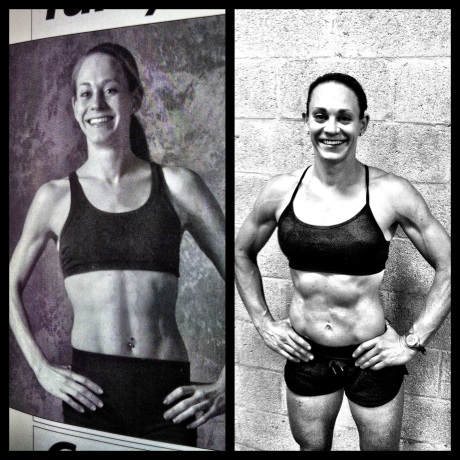
Fortunato's before and after

Mia St. John, a Lightweight Champion of the World boxer and mixed martial artist, overcame a battle with anorexia.


Ice skater Jamie Silverstein suffered silently with anorexia for 5 years before seeking treatment. She sat out for a while but eventually came back to compete in the Olympics and is now known as the Grinning Yogi at her yoga studio.


Iron Lesson

This is a topic that is absolutely near and dear to my heart.

 I first battled with it as a youth but fortunately I had a coach who did all of these things. All the girls always wanted to be at the bottom of their weight class and we could only have a max number of lifters and 2 max per weight class. I remember before one meet I was severely under my weight class (we were monitored often) and he asked me how everything was going; every day after that he always made a trip to my lunch table and looking back it was make sure I was eating. Told you coaches can be tactful. It was made very clear that not eating and diuretics were simply unacceptable; we had a duty to report to Coach if we knew any of our team mates were doing that. I recall a very prominent lifter was hospitalized before our Regional powerlifting meet and he refused to let her lift for health reasons. I remember seeing people on other teams running around to sweat weight off, some trying to water load before weigh ins, others trying to maneuver locks or weights in areas they don't belong (that was illegal and no one ever actually succeeded from what I saw). Things you don't realize aren't normal when you grow up in the sport. I've previously written about how it took me years to realize how strong I was was not equated with my self worth (Strong Is Not The New Skinny).

I've worked with many athletes and I've stepped in a few times when I saw the inklings of ED behaviors. I called parents and took necessary precautions. My personal stance on weight classes is that every individual is different. Some athletes I have can fluctuate in weight safely and without issue. Others can't. I don't push or emphasize weight classes; I want my athletes healthy and if they cut, then they are going to do it safely. I get my cutting athletes weighed in first and immediately after, I am handing them food and drinks to rehydrate. They get annoyed sometimes but they perform well and it's necessary.

As a coach, you have a responsibility to your athlete. Don't let them become a statistic.

Contact Information
Facebook.com/amber.sheppardc
Instagram @amber_mswlc
Msbarbell.com
Email: amber.sheppardc@gmail.com

Monday, June 23, 2014

Bucket Lists

Bucket lists are little time capsules of your dreams. I've made two in twenty six years. 19 year old Amber and 26 year old Amber have some core similarities. Example: fitness and dressing up dogs. But they also have very different outlooks on what is important in life. Let's examine them for a good laugh and an existential crisis.

The Joker & God's Bucket List


19 Year Old Amber's Bucket List


Let's get a feel for 19 year old Amber. She was a sophmore in college and in her first serious relationship (hence "kiss in the rain"...HOW IS THAT BUCKET LIST WORTHY AMBER? Keep it in your pants). She had just started her fitness revolution and started loosing weight. 


More like she was obsessed with it. She wanted a 6 pack and to be a goal weight. I welcome you to the beginning of her exercise bulimia. 


But it wasn't all bad. There were some positives: she learned to swim, completed the first of many triathlons, ran some races and did personal training which is the core of 26 year old Amber. Some things aren't marked off but she eventually sang karaoke and played paintball.

26 Year Old Amber's Bucket List


We all know who 26 year old Amber is. Law grad, weightlifting coach, dresser of dogs in clothes. I made this list last year and have already reached some goals. 


Note the stark difference in the bucket lists: this one is career focused and anything body related has to do with performance. Some people may think it's too career focused but my career just so happens to be my passion...and my life at this point. 


We'll see what 32 year old Amber has to say about. I'm sure she'll be typing that blog post from her Dalmatian Plantation of a home and it'll include a picture of a dog in glasses.


Iron Lesson? Write down your goals and go after them. Nothing is too big or too small. They can be barbell related, fitness related, relationship related, career related, it doesn't matter! After all, my "Run a 5K" in 2007 somehow turned into "Build a weightlifting empire" in 2013. You never know where the universe is going to take you. You just have to give it a little push.


Wednesday, June 18, 2014

Cleaning Out My Closet

Insert your own witty Eminem reference here

Eminem can be a harsh critic

Workout clothes are a staple in my life. Some days I go through 3 pairs of spandex capris depending on how many spin classes I'm teaching and when I train and coach.  I have competition shirts crammed in drawers and tank tops as far as the eye can see. How many pairs of black workout pants do I need? From the looks of it, all of them. But how many pairs of jeans do I need? Apparently just two. And they haven't seen the light of day in eons.

I wouldn't say I'm the ultimate gym rat but I do have an affinity for pepperjack cheese and my mouse hole is the MSWLC facility. From the amount of gym clothes I go through in a day, buying stock in laundry detergent wouldn't be a bad idea. Let's put it this way, when people ask me to do something outside a gym, two things happen: (1) I internally squeal for having social interactions and (2) I ask "Do I have to wear human clothes?"


Whenever I get stressed out, I go through my drawers and my closet and clean it out for charity. It's therapeutic. Sometimes I'll find clothing that reminds me of a certain time period in my life. Some items make me smile: that shirt was the one I wore when I stood on top of the podium, those tights were given me to my a client, and that neon bra has been with me for years. Some items make me cringe and laugh: that tank reminds me of the time I dropped 45# directly on my foot and those shorts remind me of the time I did my first sled workout.


But then there are some clothes that upset me. I'm not just talking about the shirt an ex bought me or the dress I wore when I got stood up. I'm talking about the tank tops and the pants that I wore during the exercise bulimia days. As I was cleaning things out last week I came across one tank in particular that really just triggered me.


It was a pink tank that I just absolutely loved; unfortunately I loved to wear it when I was undereating and overtraining. It was a size 4. I tried it on and a flood of memories and bad thoughts started creeping through my head. "Why doesn't it fit like it used to? You looked better then. You should weigh yourself. You shouldn't eat any more today. You should workout longer today."

Needless to say I did none of those things. Instead, I took the top off and placed it online to find another owner. I LOVED that top. It breathed so well and it really brought out the traps. But I didn't love how the memories attached to it made me feel. I will never hang on to clothes that are too big or too small hoping I will fit into them. So why should I hang on to clothes that make me feel a certain way? I'm happy to report a good friend took the Pink Tank top off my hands and will be lifting and mobilizing like a champion in it.

This video is in honor of my Pink Lululemon top. I direct you to the opening statement and 2:13. You're welcome Amanda

Iron Lesson? Don't hang on to your fitness past and memories. Make new ones. The iron doesn't care what you size you are or what you are wearing (although it may suggest tights so you aren't rubbing your thighs raw). Clean your closet like you clean your weights and who knows: it may just give you an excuse to go buy some more clothes. You know, to show off those traps and that new good self esteem glow.


Sunday, January 26, 2014

Release the demons

In my sport, injuries happen. They do. Torn quads, tendons, rotators, backs, wrists, knees...something is bound to get jacked up. When you've been doing it 12 years, the bell is going to ring every now and then. When it does, and you are put on the sideline, it cages the beast and the demons inside you. All they want to do is escape and rage. You have to let them. When you don't, days like today happen.

 The Break

Today I hit a wall in my own training.

Actually, I haven't been training the last 3 weeks. I've been "working out". I haven't had a goal. With the back being a stubborn little jerk, everything has been upper body. By upper body, I mean bench press and curling because bending motions and twisting the trunk inflame it.

In between one on one sessions today, I benched. I had no plan. Just went through the motions. Spent a lot of time in between sets staring at the warehouse ceiling. Playing on my phone. Things that I would berate my lifters for doing; letting the mind wander and not being present. I just quit halfway through the "plan" I had and sat in a chair and ate crackers until the next session.

On one hand it's nice to give my mind a break. Training takes so much out of you mentally. I throw everything I have into it. Example: last year at Nationals after my final lift, I walked off the stage, past a group of people, slumped against the wall and burst into tears. Tears of relief. I could relax. My 7 months of training was over. The barbell is my best friend and my worst enemy. To paraphrase Beyonce, I have sweet dreams and beautiful nightmares about it.

The Crisis

On the other hand , I question my existence without a plan. Throw in someone bringing up Nationals today and insert an existential crisis . I've been fighting this injury since Nationals last year. I thought "Sweet baby jesus...it's been this long?!...What am I doing with my life?" Then of course you start looking at old videos and pictures. That's healthy right? (answer: ABSOLUTELY NOT).

Down the rabbit hole I went and I looked up some state bench records (aka what I can compete in at the moment; albeit it's without arching because that inflames it). My bench has always been very weak due in part to my unfused shoulders. I did a cycle semi-recently and it improved drastically. It's all I've got right now so it has my undivided attention.

The Plan

Looking at those records and seeing how very close they were to my own PR fire lit my fire. I was hungry. Actually--I was ravenous. For a highly competitive individual, being gone one month, two months, let alone six months, takes a toll on you. I harnessed that hunger into coaching and programming and it's been great.

The Platform
But once an athlete, always an athlete. There is nothing like being on a platform. The 1000 yard death stare looking at the bar. The tunnel vision. Being oblivious to everyone and everything except that head judge's hand and voice. Those seconds you stand on the platform after a lift waiting for the lights to decide your fate. Competition brings out the best and worst in people; their true character is exposed.

I long to get back to that plywood. I'm not cleared for a barbell on my back or picking it up off the floor so I signed up to do the BP portion of a full meet. $65 for 3 lifts. To some that might sound insane. Lead by example, put up or shut up. I lift for myself and to battle off my own demons. They've been bottled up too long the last few months (please see other blog posts about the ED and recovery). The only way they can be released is by genuinely training and being on a platform.

Back to the hellhole we call training I go. I'm gunning for that record. I'm releasing the demons. When you see them, I suggest you run the other way. They've been waiting to get out.


This video got me to and through nationals (and a lot of other life events). Here we go again my friend.

Monday, January 13, 2014

Sharing Is Caring

Growing up we are taught that "sharing is caring."


Sharing doesn't just mean sharing your snacks. Sidenote: anyone that knows me knows that Amber loves her some snacks. If I ask you if you want some of my food, you, my friend, just ascended to the next level of friendship. If you share a snack with me, watch out because I might bite your hand off as I go to take it. Dirty D and the Fat Rabbit below are my spirit animals.


As I've gotten older, I realize sharing also means sharing your experiences and your story.  I can't attribute this nugget of wisdom to the barbell alone but being able to tell my story through the barbell has allowed me to grow exponentially as a person. The barbell is the ultimate acknowledger of your breakdowns and your breakthroughs. I have many videos of me jumping high in the air or squealing after a PR but I have even more videos of me swearing at the bar and roaring. In my best breakdown caught on film, I literally shoved the barbell across the room and followed it as dirty slurs flew from my mouth. This was after I slung a PVC pipe the length of the gym.

Every time I have a new client or I go to a gym to coach trainers, I tell my story. I tell the good, the bad, and the ugly. The records, the championships, my athlete's accomplishments but I also tell of the injuries, the setbacks, the shoulders, and the eating disorder. Nothing is too personal. By sharing my story it helps open the doors for others to share theirs. Even if they never speak about it to me, I know it lessens the stigma of talking about it to others. Sometimes people put you on a pedestal but no one is perfect. Except maybe Donny Shankle but that's here nor there.

I make it a point to list off the names of every coach and mentor I've learned from too. I make it a point to say that you never stop learning. Learn from me in this session and take all the knowledge bombs I've accumulated over the years and make your own. Share my story, share my cues, share my mentors!

Why do I share? Because my mentors shared with me. I'm not anywhere near their expertise yet but by traveling and meeting new lifters, coaches, and programmers, I can be one day. And it's all because they were open to share with me. Don't be afraid to ask for help or advice. Just make sure that you share what you learned with others. That's why anytime someone comes to me with a genuine thirst for knowledge, I help them any way I can. There's a difference between asking for help and wasting my time because you're too lazy to find an answer yourself. I took one of our young MSWLC lifters under my wing and he is starting to shadow coach with us with the caveat that he has to find an article every week to discuss with us. We all share and grow from the experience. Foster relationships and share everything you learn.

I had one of the best compliments of my lifting career the other day. As I was leaving a facility, my athlete called me Sensei. I thought back to all of the Senseis, mentors, lifters and those in the weightlifting/powerlifting community that helped mold me. So here's a short list for you guys. Seek them all out in some or fashion. You won't be disappointed.

ROLL CALL! 

 My personal Sensei, best friend, and MSWLC co-founder Tyler "TPain" Smith.
Our mutual Sensei, accomplished lifter and coach, Justin Thacker (call him today for a ABC seminar; thelabgym.com)
Thacker's grasshopper Pat Mahoney
Current USAW Nat'l Champ and business extraordnaire Samantha Zimmerman
Jason Poeth
MDUSA's very own Rebecca "BexxMixx" Gerdon
Matt Bruce
Gayle Hatch
CJ Stockel
Kim Treggo
Wendi Crotts
Mississippi Weightlifting Club
Chris Lachney
Richard and Kimmy Trowbridge
Chris Spealler
Danielle Hudes
Mike Taylor
Ellen Underwood
Dex Hopkins 
Liberty Barbell Club
Cal Strength and the countless hours of YouTube rabbit holes I've been down

Without them, Amber wouldn't be able to travel around on weekends doing this:


Thank you to every one I've run across on this journey so far.

Wednesday, January 8, 2014

Strong is not the new skinny


This injury has been having me fight with myself and my body the last five months. The barbell saved my life before in showing me that a number on the scale didn't matter. Before I found the sport again in 2008 after a brief hiatus, I had been so wrapped up in loosing weight and body fat composition and what size my pants were. After finding the barbell again, I went the opposite direction: my self worth was predicated on how much I could lift--my strength. Instead of calorie counting, I counted the kilos on the bar and that measured my self esteem. If I wasn't skinny, I had to be strong. I have an addictive, perfectionist mentality. I couldn't just be strong. I had to be the strongest. Even if I was just competing with myself. It's safe to say I substituted one demon for another.

Enter the Great Back Injury of 2013.

When I was stripped of squatting, dead lifting, front squatting, cleaning, snatching (you get the point), I lost my identity. I didn't want to eat. I had feelings of disgust at my body. "You aren't even strong anymore," I thought.  Don't get me wrong, I still lifted what I could (hello upper body) but when you are surrounded by the CrossFit boom, all you hear is "Strong is the New Skinny". While it's great society is slowly shifting to a positive view of empowered females, I'm not so sure we should equate our self worth with how much weight is on our back. How is that any different than equating your self worth with a number on the scale or a jean size? In this case maybe I need to say your Nike Pro booty short size or inseam.

With all of the weightlifting club stuff and my coaching career really picking up speed, it has showed me that I am more than weight on the scale, more than my muscle mass, and more than what I lift. Those things are a part of me but what really makes me is inside. It’s my heart, my passion, and my drive. Two of my personal programmers are gym owners whose lights have dimmed and needed fire. In sharing my story and my passion for the sport, it's helped rekindle theirs. There is excitement for their own sessions, but more importantly there is excitement from them to coach again. That is the greatest gift I could ever give someone.

As the numbers metaphorically shift on the scale and certain areas of my body expand or diminish, those qualities haven’t been stripped. If anything the light they provide shines brighter and brighter every day. Otherwise none of this would be happening. Sometimes I think I’m too involved in this sport, in my athletes, and with constantly seeking more and more knowledge (practical and theoretical). Maybe I annoy some with all of my Facebook and instagram posts...heck even this blog: they all correlate to weightlifting and strength sports. But then I quickly get my wits back about me and I just think all that means is I’m so passionate that it can’t help but pour out of me and into every facet of my life. If I can share that love and that light, then I will. Because that is what makes a difference in your life...not how much you squat.

Sunday, December 22, 2013

You Only Have One Body, Take Care Of It

A lot of things have happened since my last post. That's usually the case when five months pass between blogs. I suffered a back injury in August and have been fighting the mental warfare it creates. The iron is my best friend and my worst enemy; regardless of the persona it takes on, it's always there to teach me a lesson. This go 'round it's taught me a few but the main lesson is "You only have one body, take care of it."

1. Have a professional check out your injuries sooner rather than later

If you're like me, you may be a workhorse. If you're in pain, you keep it yourself. If it's bad, open your mouth and "tell an adult."

I dealt with my shoulder for so long, pain during a workout seemed inevitable and normal. I'd rationalize it and push it away. It takes a lot for me to say something. My back was hurting before Nationals but I chalked it up to the intense training we had been doing. We hosted a seminar with Ryan Moody in August and still, my back was bothering me. I chalked it up to getting back into high impact movements. Throughout this time period I worked on what I thought the issues may be: hip flexors, psoas, stabilizers. I never wore a belt and thought it may relieve the pain. Nope. I thought maybe my form was causing it. I changed some things around and sought extra sets of professional eyes. Nope; all the mechanics were solid. Nothing I did helped.

Then Labor Day came. I had to work up to a heavy single for squat and deadlift. My back was hurting and I only got to 255 (far from heavy for me) and I stopped. Deadlifts went the same way. Very rarely do I not finish a session but I knew something was wrong. Still...I continued to lift. I took a week and came back to lifting.

I put 95 on the bar to squat and I had to literally bail at the bottom because the pain was so intense. I had the squats SS with kneeling jumps and I decided to try to do those instead. Those did not happen at all. I walked into my boss' office (it was vacant but a class was going on), crawled under the desk and cried. A 95 squat was NOT something that should hurt me. Did I seek help yet? Of course not.

I woke up one morning with pain radiating from my back into my leg rendering it numb. The pain had kept me up at night. It hurt to sit, to stand, to drive, to squat, to move, to bend. That was scary and my Sensei demanded I go see a doctor. That was the turning point for me. Something was sincerely wrong and no amount of stretching and rest was fixing it. I needed professional help. So I finally asked for it. With tears in my eyes and choking up every other word, I told my boss my concerns. He agreed and off to the doctor I went.

For the next few months we did everything we could think of to diagnosis and pin point the problem. My doctor is an avid athlete and understood all of my concerns. He sought out every avenue to relieve the pain and find the source. Adjustments, Graston, tons of tape variations, X-Rays, stretches, heat, NSAIDs, rest, nutrition, took out certain exercises, checked my arches, my spine, my SI...... It appeared to be a torn tendon and the inflammation needs to go down before we can move on. Even with rest, it's taking a while.

2. Listen to your health providers

When they tell you to rest....rest.

During this trial and error period I listened to the doctor....kind of. In the beginning it was insanely difficult. "Don't squat? Don't deadlift? What? How?" So I didn't. The pain stayed away during cleans which was odd as it was basically (used lightly) a deadlift into a squat...the two movements which killed me. Front squats killed me. Wall balls killed me. I PRed during this time period on my clean and jerk but the inflammation in my back had barely gone down. So we took out cleans. I was able to row for a while but the pain would resurface. Inflammation was still present. Out went rowing. Core work stretched that tendon so it went away. All that was left was bench, upper body, rows, Crossover Symmetry and beautiful curls/dumbbell movements. After a lot of trial and error, and being forced to sit during most coaching sessions due to the intense pain present from daily activities, we started making some headway and the inflamation lessened.

When the doctor said no lower body at all. I almost had a melt down. Who am I kidding....I had a melt down. But I listened to him.

3. Ask for help

For an independent individual, nothing hurts worse than having to ask for help. It took me a while to learn this iron lesson and I'm still working on it.

I never allow my athletes at weightlifting meets to load their own bars in the warm up room. Even when I was hurting I never told them. I loaded their bars. I did what I had to do. Driving long distances killed my back and I'd come home from a meet exhausted and hurting. I'd do it again in a heartbeat because I love it but if I was going to continue and get back on the platform, I needed help. A weightlifting meet was coming up and I enlisted the help of a friend to load the bars in the warm up room. Atthat meet I loaded one side of a bar and the pain started again so I had to mentally tell myself to stop and I sat. I allowed the friend to load the bars as I read out the weight needed for the bar. I still hurt when I got home but it could have been worse. 

Bending over hurt but at practices I started using a weightlifting "Vanna White" to demo positions or whatever it was I needed at the time for another athlete. Your team is a family and asking for help should be easy, not difficult, when you really need it. As the head of the family, I hated to ask but you lead by example and sometimes it takes an even stronger individual to ask for it. I asked one of our young lifters if he wanted to start shadowing us as coaches to help take some of the stress off my back but also to foster his love for the sport.

Even coaching group classes hurt me because I can't sit still and I want to demo and do it all for the class. Unfortunately, the inflammation was present and coaching just one class put me in pain the rest of the day. Coaching 3 classes and I was toast. I had to sit more and stop myself from running around the room like I usually did. However the only way to stop that was lessen the class load I carried. I had to ask my boss' help for that.

4. Mental health is just as important as physical health

You are your own worst enemy and when you have an injury, be your own hero and use that brain for good. You're going to need all the allies you can get.

The biggest battle I face during an injury, especially a prolonged one, concerns food and eating disordered thoughts. To ask for help in this arena is the hardest thing I have to face because I have to face myself. The barbell kept my ED demons at bay; it made me ok with not knowing my weight or with how my body looked because I was strong. Take that away from me and the demons crept back in. After the injury and the lack of lower body movement, the demons took hold. I started to not eat. When I did eat, I felt intense guilt, remorse and shame. I avoided mirrors. I avoided social interactions. I made up reasons not to hang out at parties or dinner. I refused to wear jeans. I refused to do my hair. "What's the point?" I'd think: I'm nothing without squatting. I imagined I gained so much weight which was untrue. I avoided scales. I told doctors and seamstress not to tell me numbers aloud. I bought bigger clothes that swallowed me. I wore sweatshirts to hide myself.

I knew this was not healthy behavior as I had seen it all before at various stages of my life. So I asked my Sensei for help. Food overwhelmed me and I chose to be ignorant about it. This individual gave me an overview of what foods did, we talked about why I felt how I did and how to fix it. I began a self imposed recovery process where I would look up a fact about a food/health/body parts daily and report back. If I felt ugly and hated myself, I would have to wear human clothes. I would have to go try on jeans. I would have to do my hair and go in public. I would force myself to look in the mirror. Take pictures.

I'm still working on this. There are days I literally cried over my food. I've been caught crying in the garage over dinner because I didn't want anyone to see me eating. I've talked out loud to the dog about a plate of sweet potatoes and steak telling myself what each one did for my body and why I needed to eat it. Some days I spat food out because it was disgusting to my brain. I thought "I didn't work out hard why do I need to eat?". Well, without food, your body has nothing to work with and it can't heal. Cliche and corny but food really is fuel.

This is still a work in progress and the hardest lesson to learn. I'm embarassed to talk about it because I feel like people see me as this overweight individual who can't possibly have an ED. And that's the problem with society. I wanted to share this in case anyone else is dealing with the same issues. It's OK to talk about it. It's ok to take action to fight against it.


5. If you injure one part of your body, you have others to focus on

There is ALWAYS something you can train and work on. Always. Training makes you happy so continue to do it! You're mental game will be much better if you do.

When my shoulder was injured, I worked on legs and cardio. When my back got hurt, I focused my attention on my upper body and bench press. I worked on shoulder and scap stability/mobility. I did a Smolov program. I focused on BP form and what do you know? My shoulders felt the best they have ever felt and I PRed my bench press and strict press (and my bicep curls). I even power snatched my old max one day; something doctors told me I'd never do again.

Be thankful for every day you can train. For every day you can do what you love. The iron is there waiting to teach you. You don't have to hide from it even if you aren't at 100%. There were days early on, and even now, where I'll see someone doing a barbell movement I get sad. I get emotional. I miss it. I visited my hero's facility at one point and I had to walk outside and shed a few tears because I was so overwhelmed. The barbell isn't just a sport. It's a way of life. It's my therapy. It's my happy. It's in blood. I can't get it out. Nor would I ever want to.

Where there's a will, there's a way. When my back heals my upper body is going to be ready to claw our way back to Nationals.

6. Throw yourself into your passions

If you follow me on social media it's wildly apparent I love my job, I love weightlifting, and I love coaching. This injury has further pushed me into coaching on a deeper level. I've focused on programming. I've gone down the YouTube rabbit holes more times than I can count (and more frequently).

I threw myself in Mississippi Weightlifting Club. The first and only USAW sanctioned weightlifting club in Mississippi that I founded with Tyler Smith has picked up steam. We've brought home medals, team awards, qualified an individual for the American Open, traveled to North Carolina to be around some of the best in the industry. I threw myself into our social media. Into creating seminars. Into one on ones. Into traveling to learn from others in the sport.

In doing so it's allowed me to not only keep my love of the sport alive but helped me spread it. It has kept me hungry and looking forward to the future. I'll still have just as much passion and vigor when the injury heals.